Published November 25, 2026
It often starts with a noise that does not belong in your home. You might hear scratching above the bedroom early in the morning, heavier movement across the ceiling at night, or repeated sounds coming from the roof. At first, it may seem like ordinary house noises. But when the sounds continue, you may start wondering whether an animal has found its way inside.
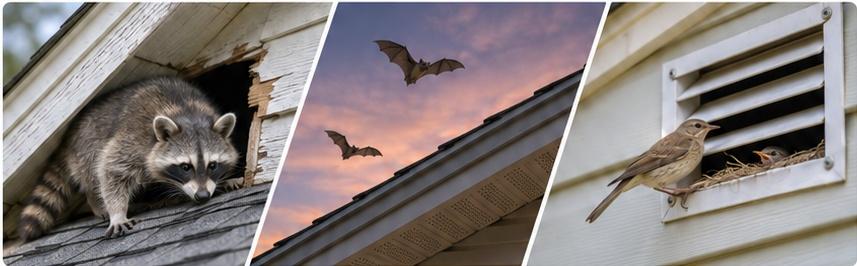
Attics, roof cavities and other enclosed spaces can provide shelter for different types of wildlife. In Vaughan and across York Region, homeowners may encounter squirrels, raccoons, bats, birds and other animals around their properties. Some enter through small openings, while others take advantage of damaged roof components, loose vents or gaps around the exterior.
Identifying the animal is an important first step. Different species behave differently, use different entry points and may require different approaches. Understanding what could be living above your ceiling can help you decide what to do next without putting yourself or the animal at risk.
Which Wild Animals Can Get Into Your Attic?
Not every noise in the attic comes from the same type of animal. The timing, intensity and pattern of the activity can offer clues, although sounds alone are not enough to confirm a species.
Squirrels
Squirrels are common around residential neighbourhoods and can use rooflines, trees and nearby structures to reach elevated parts of a house. They may enter through gaps near roof edges, damaged soffits, roof vents or openings in other exterior components.
Their activity is often noticeable during daylight hours. Homeowners may hear quick movements, running, scratching or chewing sounds above the ceiling. Squirrels can also use attic spaces for shelter or nesting, particularly when they find an accessible opening.
A squirrel seen running across the roof does not automatically mean one is inside. However, repeated activity near the same roof section, combined with noises from the attic, may indicate that an animal has found a way in.
Raccoons
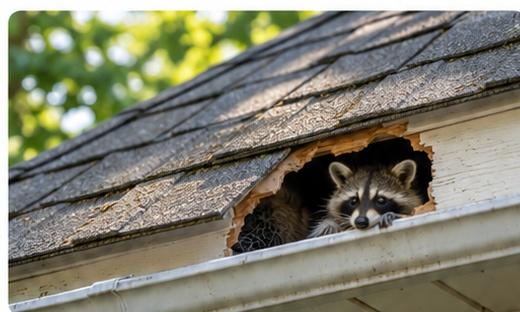
Raccoons are larger animals that can cause more noticeable movement in an attic. Their weight may produce heavy footsteps, thumping or dragging sounds, particularly when they move across ceiling joists or insulation. They can climb buildings and use weakened roof sections, damaged soffits and other openings to gain access.
A raccoon may also return to a sheltered location repeatedly if it has established a resting or nesting area. Because raccoons are considerably larger than squirrels, their entry points may involve more substantial damage. A loose or broken roof component can become an access point if it is not repaired.
Bats
Bats can enter through surprisingly narrow openings around rooflines and exterior structures. Small gaps near soffits, fascia boards, roof intersections and vents may provide access to roof spaces.
Unlike squirrels and raccoons, bats may not produce loud running or chewing noises. Their presence may be noticed through faint movement, squeaking or sightings around the building near dusk. In some cases, homeowners may discover signs of bat activity around an opening or in an enclosed roof space.
Bats require particular care. They can carry diseases, including rabies, and handling them without appropriate training and precautions is unsafe. Some bat species are also protected, so exclusion and removal must follow applicable wildlife regulations. Never attempt to handle a bat or seal an opening while bats may still be inside.
Birds
Birds may enter roof spaces through damaged vents, uncovered openings or gaps around roof structures. Some species also build nests near exterior vents, particularly where the location offers protection from weather and predators.
A bird inside a roof cavity may produce fluttering, chirping, scratching or repeated movement. Activity can become more noticeable during nesting periods, when adult birds may frequently enter and leave the area. A nest in a vent can also interfere with ventilation.
However, homeowners should not simply pull out a nest or block the opening. Nesting birds and their eggs may be protected under applicable regulations, and the correct response depends on the species and circumstances.
Other Small Wildlife
Depending on the property and surrounding environment, other small animals may occasionally enter enclosed exterior spaces. The exact possibilities vary by location, building design and nearby habitat.
It is important not to identify an animal based only on one sound or a brief sighting. A careful inspection of the activity and possible access points is more reliable than guessing.
How Do Animals Get Into Attics and Roof Spaces?
Most wildlife does not need a large opening to enter a building. A small gap, damaged component or poorly secured vent can provide an opportunity, depending on the animal.
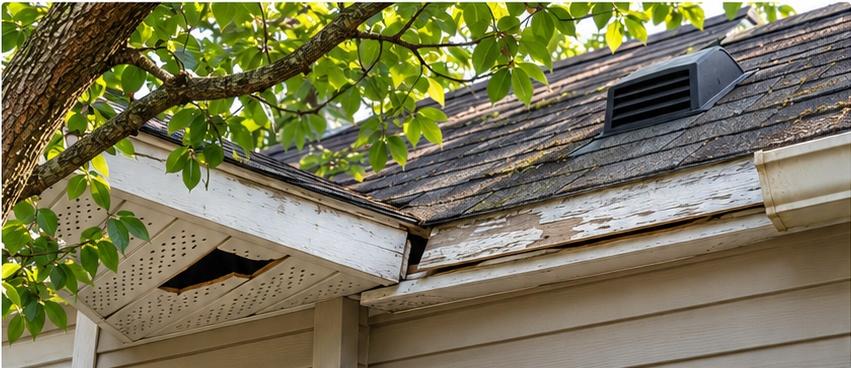
Roof edges are one area worth checking. Loose soffit panels, damaged fascia boards and gaps where roof sections meet can create entry points. Over time, weather exposure and general wear can weaken these areas. Roof vents and other openings can also become vulnerable. A missing cover, damaged screen or loose fitting may allow animals to enter, and smaller openings can be easy to overlook from the ground.
Trees and nearby structures can provide access to the roof. Branches close to a building may allow climbing animals to reach rooflines, soffits and weakened sections. Once an animal reaches the roof, it may investigate vulnerable areas until it finds a suitable opening.
Existing damage can make the situation worse. A small gap that initially allows limited access may become larger if an animal pushes, scratches or chews at it. This is one reason why entry points should be properly assessed rather than covered temporarily without understanding what is happening inside.
How to Tell Which Animal Is in Your Attic
When you hear activity above the ceiling, pay attention to when it happens and where it seems to come from. Quick running and scratching during the day may suggest squirrel activity. Heavier footsteps or repeated thumping, especially at night, may point toward a larger animal such as a raccoon. Activity near dusk with faint movement or squeaking may suggest bats. Fluttering and chirping may suggest birds, particularly if animals appear to be entering and leaving a vent.
These are clues, not definitive identification methods. Different animals can make similar sounds, and building materials can change how noise travels through a structure.
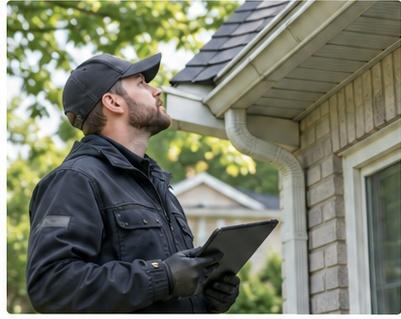
You can also observe the exterior from a safe distance. Look for repeated animal activity around a particular opening, visible damage, or displaced vent covers that appear to be used regularly. Do not climb onto the roof or reach into openings to investigate.
If the animal remains unidentified, a professional assessment can help determine what is happening and whether wildlife is actually inside the structure.
What Problems Can Wildlife Cause in an Attic?
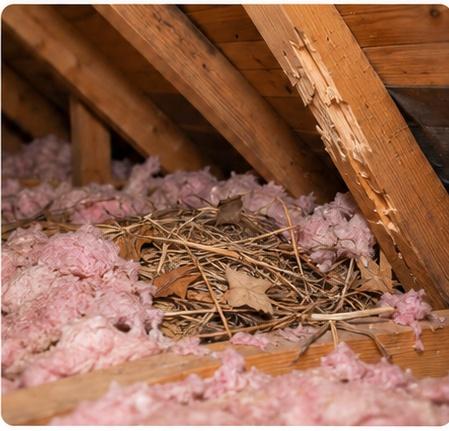
An animal entering an attic does not always cause immediate structural damage. However, repeated activity can create problems if it continues. Some animals may disturb or damage insulation while moving through the space or creating nesting areas. This can affect the condition of the insulation and reduce its effectiveness in the affected area.
Chewing and scratching can damage certain building materials. Depending on the animal and the situation, this may involve wood, wiring insulation, roof components or other materials. Any suspected electrical damage should be assessed by a qualified professional.
Droppings and urine can also contaminate areas where animals have been active. The amount and type of contamination depend on the species, how long they have been present, and where they are nesting. Nesting materials can obstruct vents or interfere with airflow. In some cases, an animal may die inside a wall or roof cavity, creating an unpleasant odour requiring careful attention.
The longer an animal remains inside, the more difficult it may become to assess the full extent of the problem. Early identification helps address the situation before further damage develops.
What Should You Do If You Find Wildlife in Your Attic?
Discovering an animal inside your roof can be stressful, but rushing to remove it can make the situation more complicated. Start by keeping people and pets away from the suspected area. Do not attempt to corner, touch or chase the animal. A frightened animal may behave defensively and may require specialized handling.
Avoid using household traps, poison or improvised removal methods. These approaches may injure the animal, create additional risks, leave an animal trapped, or be unsuitable or unlawful for certain species.
Do not seal the suspected entry point immediately. If an animal is still inside, closing the opening could trap it or separate it from dependent young. This is especially important when dealing with species subject to specific wildlife rules.
Instead, note where and when you hear activity. If you can safely observe the exterior from the ground, look for the area where animals appear to enter or leave. Avoid disturbing nests, droppings or openings.
The next step is to have the situation assessed. A professional can help identify the animal, examine access points, and determine a response based on the work required, applicable regulations, and the possibility of young being present. Once the animal issue has been properly addressed, damaged openings should be repaired to reduce the likelihood of another entry. Contaminated material, if suspected, may need assessment and cleaning.
When Should You Contact a Wildlife Control Professional?
You should consider professional help when you repeatedly hear animal activity in the attic, notice damage around the roofline, or suspect an animal has entered a roof cavity. Professional assessment is particularly important when the animal is difficult to identify, access is restricted, or the situation involves protected wildlife. Some situations require species-specific handling and compliance with Ontario wildlife regulations.
Trying to remove an animal without knowing what it is can lead to unnecessary risks. For example, sealing a gap while animals remain inside can create further complications.
AM Pest Control helps homeowners address pest and wildlife concerns in Vaughan and surrounding communities. Contact the team to discuss the activity you have noticed and confirm the service involved. Do not ignore repeated activity above your ceiling. Identifying the animal and understanding how it entered the home are important first steps toward addressing the problem safely.
AM Pest Control serves Vaughan and communities across the GTA. Contact the company to discuss your wildlife concern and confirm whether the specific situation falls within its service offering. For more information, visit the AM Pest Control wildlife control page.
Frequently Asked Questions
What animals commonly get into attics in Ontario?
Squirrels, raccoons, bats and birds are among the animals that homeowners may encounter around attics. The species involved depends on the property, nearby habitat and available entry points.
How do animals get into attics?
Animals may enter through damaged soffits, loose fascia boards, roof vents, gaps around roof intersections and openings along rooflines. Some animals also reach roofs using nearby trees.
How can I tell if an animal is living in my attic?
Repeated scratching, running, thumping, fluttering or squeaking sounds may indicate wildlife activity. You may also notice damage around roof openings or exterior vents.
What does a squirrel in the attic sound like?
Squirrels may produce quick running, scratching, scurrying and chewing sounds. Their activity is often noticed during daylight hours, although timing can vary.
What does a raccoon in the attic sound like?
Raccoons may create heavier footsteps, thumping, dragging and movement sounds because of their size. Sound patterns alone cannot confirm the species.
Can bats enter through small gaps in the roof?
Yes. Bats can use narrow openings around soffits, fascia boards, roof intersections and vents to access roof spaces. Even a relatively small gap can become an access point.
Can birds build nests inside roof vents?
Yes. Some birds may use openings around roof vents for nesting. A nest can interfere with ventilation and should not be disturbed or removed without considering applicable regulations.
Can animals damage attic insulation?
Yes. Wildlife moving through an attic or creating nesting areas may disturb, compress or damage insulation. The extent of damage depends on how long the animals have been active.
Can wildlife chew electrical wires in an attic?
Some animals may chew accessible materials, including wire insulation. If you suspect electrical damage, avoid touching the area and have a qualified professional assess it.
Should I seal the hole if an animal enters my attic?
No. Sealing an opening before confirming that the animal has left can trap it inside. It may also separate dependent young. Entry points should be addressed only after the situation has been assessed.
Is it safe to remove a wild animal from the attic myself?
It is generally safer not to handle or chase wildlife yourself. Animals may bite or scratch when frightened, and some species require specialized handling and legally compliant methods.
Are bats protected in Ontario?
Some bat species in Ontario have legal protections. Rules can apply to disturbing, handling or excluding them, especially around maternity colonies. Confirm the correct approach before work begins.
Can wildlife enter my attic through roof vents?
Yes. Damaged screens, loose covers and gaps around roof vents can provide access. Birds may nest in these areas, so vents should be checked carefully from a safe position.
When should I call a wildlife control company in Vaughan?
Consider contacting a professional when you repeatedly hear animal activity, see wildlife entering a roof opening, notice damage along the roofline, or cannot safely identify the next step.
Does AM Pest Control provide wildlife removal in Vaughan?
AM Pest Control serves homeowners in Vaughan and surrounding areas. Contact the team at 416-577-4460 to explain the activity you have noticed and confirm the service required for your situation.