
Published November 27, 2026
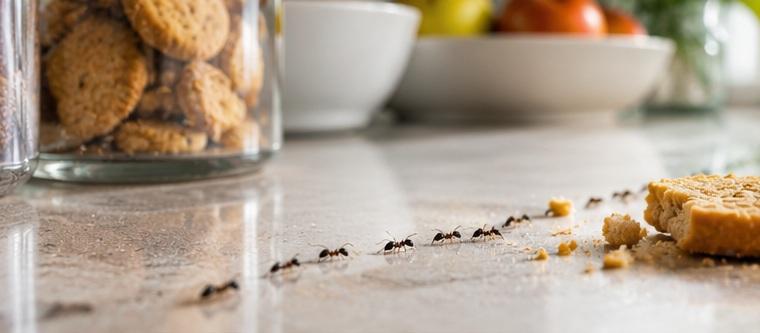
Finding ants in your kitchen, bathroom, or around your windows can be frustrating. You clean the area, remove the food they were gathering around, and wipe away the trail. For a little while, everything looks fine. Then, a few days later, the ants return.
If you are wondering why you have ants in your house, the answer is usually connected to food, moisture, shelter, or an accessible entry point. Even a small opening around a window, door, pipe, or foundation can give ants a way inside.
Getting rid of the ants you can see is only part of the solution. To deal with a recurring ant problem, you need to understand what is attracting them, where they may be entering, and whether a colony is nesting nearby.
Homeowners in Vaughan and surrounding York Region communities may encounter different types of ants around their properties, particularly during warmer months. Here is how to identify the source of an indoor ant problem, what you can do about it, and when professional help may be worth considering.
Why Ants Enter Homes
Ants enter homes because they are searching for resources that help their colonies survive. Food and water are two of the biggest attractions, but suitable shelter and nesting opportunities can also influence where they go.
A kitchen with crumbs, an uncovered food container, or sticky residue can attract foraging ants. Bathrooms, laundry rooms, and areas beneath sinks may attract them because of moisture. Seasonal changes can also influence ant activity and encourage ants to explore indoor spaces.
You do not necessarily need to have an unclean home to experience an ant infestation. Even well-maintained homes can have entry points around their foundations, windows, doors, and utility openings. The important thing is to identify what is attracting them rather than focusing only on the ants appearing on countertops or floors.
Where Do Ants Come From in a House?
Ants usually enter through small gaps and openings around the exterior of a property. Once worker ants find a useful food or water source, they can establish chemical trails that help other ants follow the same route.
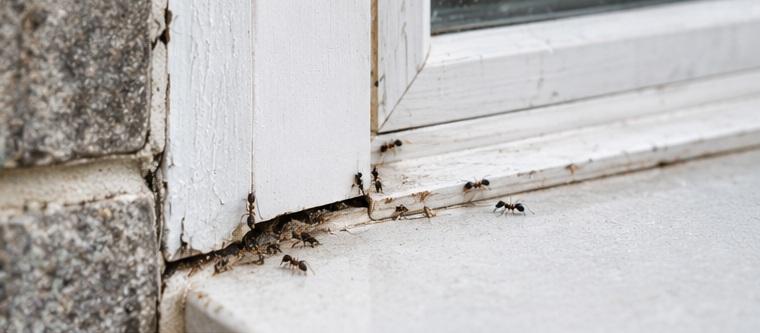
Common entry points include gaps beneath exterior doors, cracks around window frames, openings around plumbing and utility lines, foundation cracks, and spaces around exterior vents. Inside the home, ants may travel along baseboards, behind cabinets, beneath appliances, and through wall or floor gaps.
Following an ant trail may help you identify a possible entry point. However, the visible trail does not always lead directly to the nest. Some colonies are located outdoors, while others may establish nests inside concealed areas of a structure.
How to Get Rid of Ants Inside My House
The best approach depends on the ant species, the location of the infestation, and whether the colony is nesting indoors or outside. Simply killing the ants you see may reduce their numbers temporarily, but it does not necessarily address the source. A more effective approach combines cleaning, removing attractants, identifying entry points, and choosing an appropriate treatment.
Start by checking the areas where ants are most active. Kitchen counters, cupboards, pantry shelves, dining areas, and spaces beneath appliances are common places to investigate. Clean up food crumbs, sugary spills, grease, and other residues. Store sweets, pet food, and pantry products in sealed containers. Avoid leaving dirty dishes in the sink overnight, and empty garbage bins regularly.
Ants use chemical trails, called pheromone trails, to communicate with other workers and travel between their nest and food sources. Clean affected surfaces with an appropriate household cleaner to remove food residue and help disrupt these trails. If you are using ant baits, avoid applying repellent sprays around bait placements unless the product instructions specifically permit it.
Once you have identified where ants may be entering, inspect the surrounding area for small gaps and cracks. Check around exterior doors, window frames, foundations, plumbing openings, and utility lines. Weatherstripping may help close gaps beneath doors, while suitable caulking can address smaller openings around frames and fixtures.
If ants are emerging from inside a wall, floor, or structural opening, investigate further before sealing it. Blocking a visible opening without understanding the source may not resolve an established infestation.
Ant baits are designed to attract foraging ants, which may carry the bait back to their colony. Not every bait works equally well for every ant species. Always follow the product label, including placement instructions and precautions around children and pets. Seeing more ants around a bait station does not necessarily mean the treatment has failed — increased activity can be normal while ants investigate and collect the bait.
How to Get Rid of Ants in My Kitchen
The kitchen is one of the most common places to find ants because it provides easy access to food and water. You might notice ants near the sink, around a cupboard, beside a garbage bin, or along a countertop.
Start by identifying where the ants are gathering. Check behind small appliances, beneath the refrigerator, around the dishwasher, inside pantry cupboards, and along countertop edges. Clean affected surfaces, store food in sealed containers, and repair leaking taps or pipes where practical.
If ants continue appearing despite these steps, the problem may involve a nearby nest or an entry point that has not yet been identified.
Why Do I Have Tiny Ants in My House?
Tiny ants can be difficult to manage because their small size allows them to travel through narrow gaps and remain unnoticed. They may appear around kitchen cupboards, sinks, bathroom fixtures, and windows while searching for food or moisture.
However, identifying ants by size alone is not reliable. Different species can look similar but have different nesting habits and feeding preferences. Proper identification is important when ants repeatedly return after household treatments.
Common Types of Ants Found in Ontario Homes
Homeowners in Vaughan and other Ontario communities may encounter several types of ants around their properties.
Pavement ants often nest beneath sidewalks, driveways, patios, and other paved surfaces. They may enter homes while searching for food. Odorous house ants are small, brown to dark-coloured ants that commonly search for sugary foods and can produce a noticeable odour when crushed.
Carpenter ants are generally larger ants that excavate wood to create nesting galleries and may be associated with damp or damaged wood. Pharaoh ants are very small, yellowish to light-brown ants that can establish colonies inside buildings and may be challenging to control.
Each species has different nesting and feeding behaviours, so identifying the ant correctly helps determine the most appropriate treatment approach.
How to Get Rid of Ants in the Bathroom
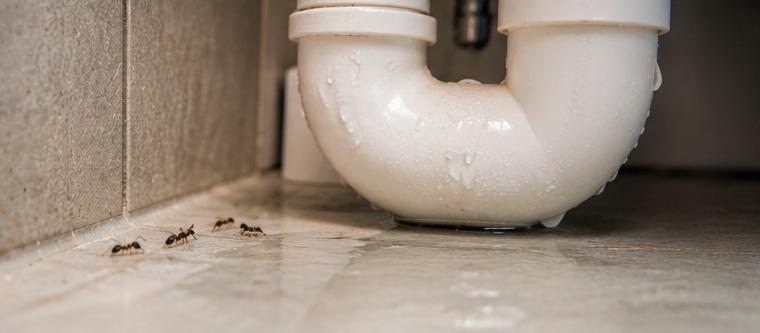
Bathrooms may not contain obvious food sources, but they often provide the moisture ants need. Leaking pipes, damp cabinets, condensation, wet flooring, and standing water can make bathrooms attractive to certain ant species.
Inspect the areas beneath sinks, around toilets, near bathtubs, and along plumbing openings. Look for dampness, damaged caulking, or small gaps where ants could be travelling. Fix leaks where possible and keep surfaces dry. Improve ventilation if excessive moisture or condensation is a recurring problem.
If ants keep appearing around the same fixture or inside a vanity cabinet, investigate the surrounding wall and plumbing openings rather than treating only the visible insects.
Why Do Ants Keep Coming Back?
One of the most frustrating parts of an ant problem is seeing the insects return after cleaning or using a household treatment.
The colony may not have been addressed — killing individual ants does not necessarily affect the larger colony. The entry point may still be accessible. Food and moisture may still be available. The treatment may not have been suitable for the species. The nest may be hidden outdoors, beneath flooring, inside wall voids, or in other concealed areas.
Some species, including pharaoh ants, can respond to disturbance or unsuitable treatments by splitting into additional nesting groups. This behaviour is called colony budding and is one reason proper identification is important.
Could the Ants Be Carpenter Ants?
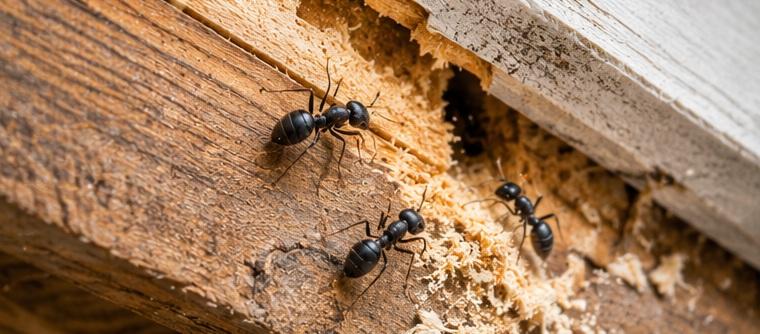
Not all ants found inside a home present the same concerns. Carpenter ants are known for nesting in wood. Unlike termites, carpenter ants do not eat wood for nutrition — they excavate galleries in wood to create nesting spaces. They often prefer damp or previously damaged wood, although they can also establish nests in other suitable locations.
Carpenter ants are generally larger than many common household ants and may be black or a combination of black and reddish colouring. Watch for larger ants repeatedly appearing near wooden structures, small piles of wood debris or frass near openings, activity around moisture-damaged window frames, or rustling sounds inside walls in some cases.
These signs do not automatically confirm a carpenter ant infestation, but they may indicate a need for further inspection. A carpenter ant problem may require a different inspection and treatment approach from an ordinary kitchen ant issue.
Why DIY Ant Sprays Don't Always Work
Many household ant sprays are designed to kill ants on contact. While this can reduce visible activity, it may not reach the nest or eliminate the colony. Some ant species, particularly pharaoh ants, can respond to disturbance or inappropriate pesticide treatments by splitting into additional nesting groups.
This is why repeated spraying may not always provide lasting results. Ant baits and other treatments should be selected according to the species and infestation conditions. Always follow pesticide label instructions and consider professional identification when ant activity continues.
How to Prevent Ants From Coming Back
Preventing ants is easier when you make your home less attractive to them and reduce the opportunities they have to enter.
Store food, especially sugary products, in sealed containers. Clean kitchen counters and floors regularly. Remove crumbs and food residue from beneath appliances. Avoid leaving pet food out for extended periods. Empty indoor garbage bins regularly. Repair leaking taps, pipes, and other sources of moisture. Keep bathroom and kitchen surfaces as dry as practical.
Seal suitable cracks and gaps around windows, doors, and utility openings. Inspect the exterior of your home for potential entry points. Keep outdoor areas near the foundation reasonably clear of accumulated debris. Inspect areas around patios, driveways, foundation walls, and garden beds for possible nesting locations.
If ants continue returning despite these preventive steps, the issue may involve a nest or entry point that is not easily accessible.
When Should You Call a Professional Ant Exterminator?
Occasional ants do not always indicate a major infestation. However, persistent activity, large numbers of ants, or repeated appearances in multiple rooms may suggest a more established problem.
Consider professional pest control if ants keep returning after cleaning and household treatments, you notice trails in several rooms, ants appear to be emerging from walls, floors, or concealed openings, you suspect carpenter ants around wooden structures, you cannot identify where the ants are entering, or previous treatments have not provided lasting results.
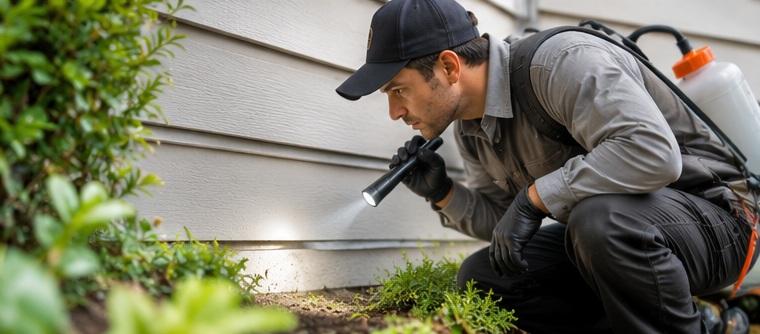
A professional inspection can help identify the ant species, assess the extent of the activity, and investigate possible nesting locations and entry points.
Looking for Ant Control in Vaughan, Ontario?
AM Pest Control provides pest control services in Vaughan and surrounding York Region communities. If ants are becoming a recurring problem in your home, AM Pest Control can help assess the situation, identify possible sources of activity, and determine an appropriate treatment approach.
Learn more about professional ant control services in Vaughan or contact the team at 416-577-4460 to discuss your ant problem. For more information, visit the AM Pest Control ant control page.
Frequently Asked Questions
Why do I suddenly have ants in my house?
Ants may suddenly appear when they discover an accessible food or water source, find a new entry point, or begin searching indoors for suitable conditions.
What attracts ants to a clean house?
Even clean homes can attract ants through small food spills, sugary residue, pet food, moisture, or accessible water sources. Ants can enter while searching for resources regardless of how clean the interior is.
How do I get rid of ants inside my house permanently?
Long-term control involves identifying the ant species, addressing the colony where possible, removing food and moisture sources, and sealing suitable entry points. Ongoing prevention may still be necessary.
Why do ants keep coming back after I spray them?
Spraying may kill visible ants without affecting the colony. If the nest remains active or the entry point is still accessible, more ants may continue entering the home.
What is the fastest way to get rid of ants in the kitchen?
Clean food residue, remove crumbs, store food securely, and identify where ants are entering. Appropriate ant baits may also help, depending on the species and product instructions.
How do I find an ant nest inside my house?
Watch the direction of ant trails and look for repeated activity around baseboards, cupboards, plumbing openings, and wall gaps. Following a trail may help identify a route, although the nest can be hidden or located outdoors.
Why are there tiny black ants in my kitchen?
Tiny black ants may be attracted to food residue, sugary spills, or moisture around sinks and cupboards. Several species can look similar, so proper identification is important before selecting a treatment.
Can ants live inside walls?
Yes. Some ant species can establish nests in wall voids and other concealed spaces. Ant activity around baseboards or wall gaps may indicate a hidden nesting location, although further inspection is needed to confirm it.
Do ants come inside more often during certain seasons in Ontario?
Ant activity often increases during warmer months as colonies become more active and search for food. However, ants may also enter homes when outdoor conditions change or when they find suitable indoor resources.
Are carpenter ants dangerous to a house?
Carpenter ants can damage wooden structures because they excavate galleries to create nesting spaces. They do not consume wood like termites, but an established colony inside structural wood should be investigated.
How can I stop ants from entering my house?
Store food securely, remove moisture sources, clean up spills, and seal suitable gaps around doors, windows, foundations, and utility openings. Regular inspections can help identify new entry points.
When should I hire an ant exterminator in Vaughan?
Consider professional help when ants repeatedly return, appear in several rooms, emerge from concealed spaces, or may be carpenter ants. An inspection can help identify the species and determine an appropriate treatment approach.