
Published November 25, 2026
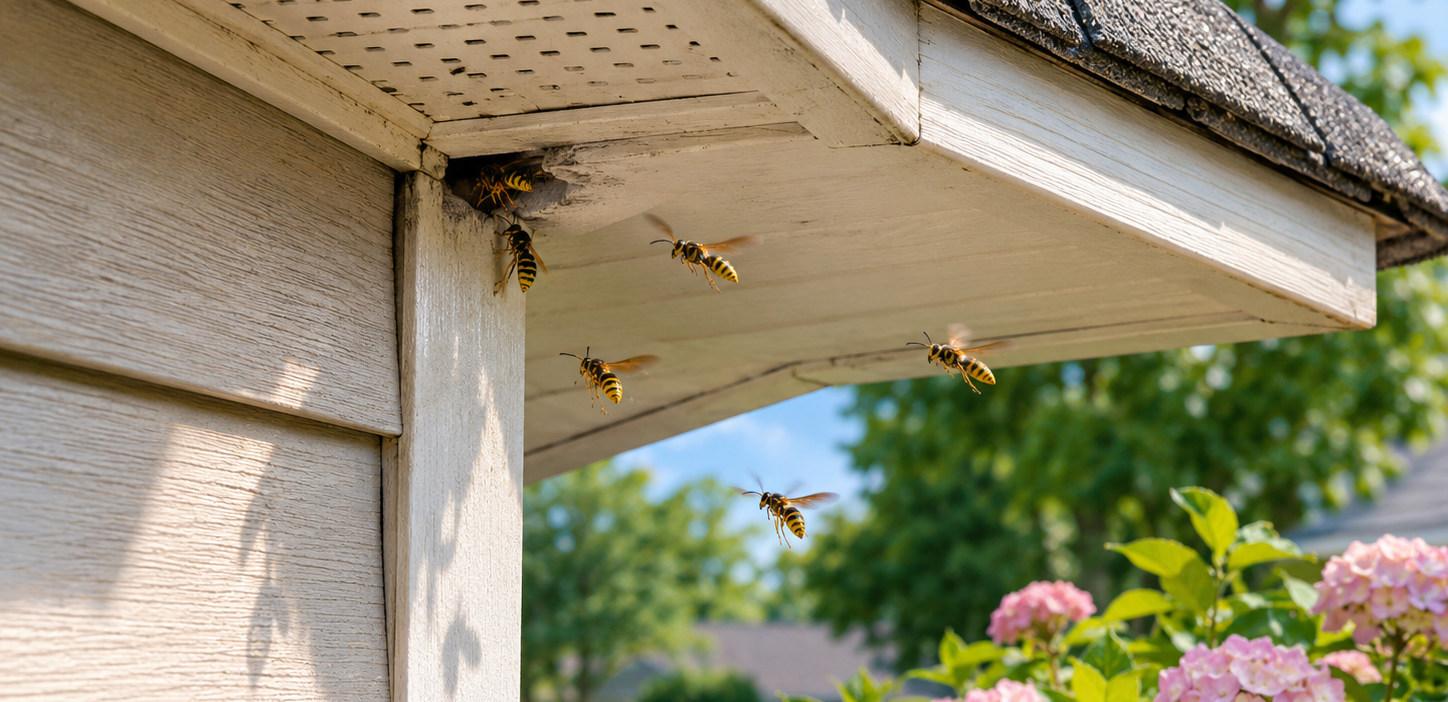
You are sitting outside on a warm afternoon when you notice a wasp flying around your roof. A few minutes later, another one appears. Then you see several wasps following almost the same flight path, disappearing near a small opening beneath the roofline.
At first, it may seem like a few wasps passing through your yard. But when the same activity continues day after day, you may start wondering whether there is a nest somewhere around your home.
Finding a wasp nest is not always straightforward. Some nests hang beneath roof overhangs or porch ceilings, while others remain hidden behind exterior siding, inside wall cavities, or underground. The challenge is knowing what signs to look for without getting too close or disturbing an active colony.
Understanding how to find a wasp nest in your house can help you recognize possible nesting activity, identify common hiding places, and decide when professional pest control may be needed.
How to Tell If There Is a Wasp Nest Around Your House
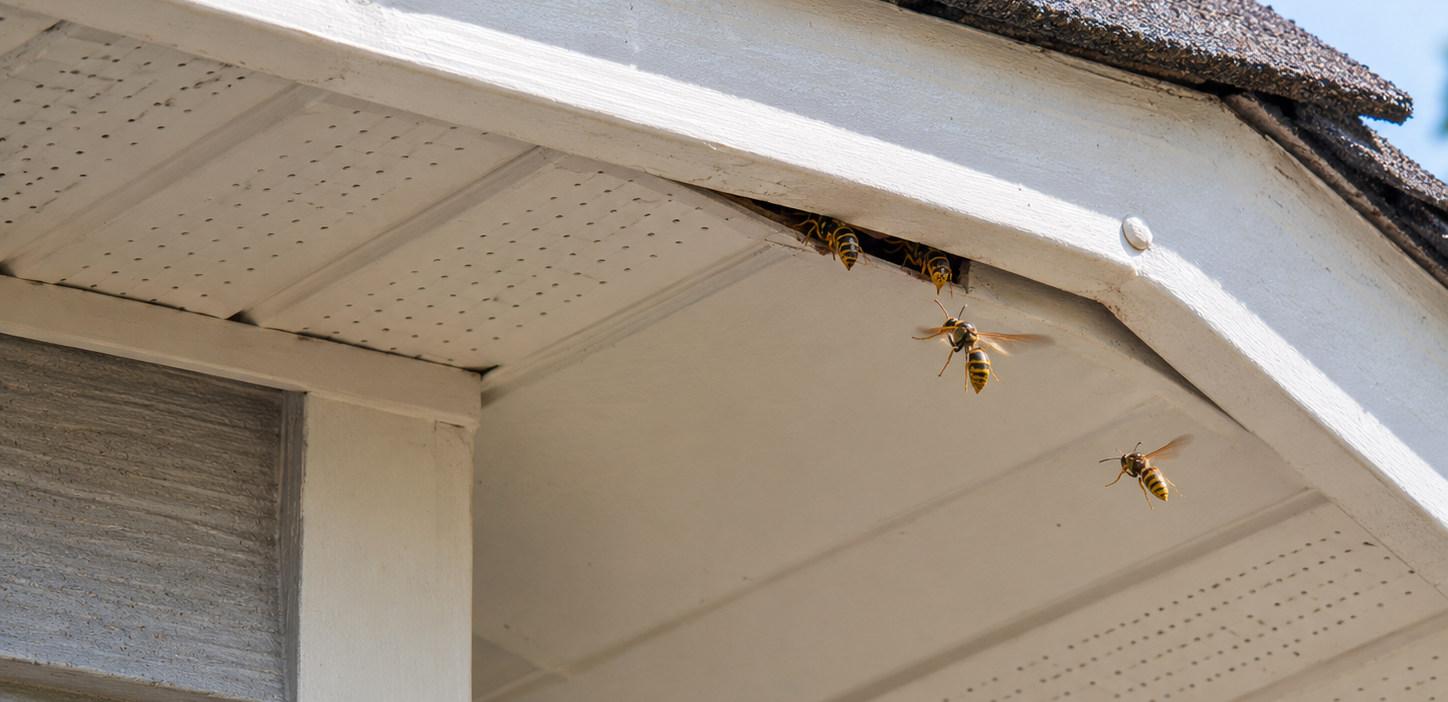
One of the first things homeowners notice is that wasps keep returning to the same area. You might see them flying around a roof corner, entering a small gap in the siding, or disappearing beneath a deck.
This repeated movement can be an important clue. Wasps travelling between a nest and nearby food sources often follow recognizable flight paths. If you observe several wasps repeatedly entering and leaving the same opening, there may be a nest nearby.
You may also notice increased activity around windows, outdoor seating areas, garages, or garden structures. In some cases, wasps begin appearing inside the house, particularly when a colony is located in a wall cavity or roof space connected to the interior.
However, seeing an occasional wasp does not automatically mean your home has an infestation. Wasps may simply be searching for food or exploring suitable nesting locations. What matters is whether their activity repeatedly concentrates around one particular area.
Where Do Wasps Hide Their Nests Around a House?
Once you notice repeated activity, the next question is where the wasps are coming from. Different species prefer different nesting locations, and some colonies are much harder to spot than others.
Roof Eaves, Soffits and Attic Spaces
Imagine noticing wasps flying towards the same corner of your roof every afternoon. When you look from the ground, you cannot see a nest, but the wasps keep disappearing beneath the overhang.
Roof eaves, soffits, fascia boards, and overhangs can provide sheltered nesting spaces. Paper wasps may attach exposed nests beneath protected surfaces, while other species may use small openings to reach enclosed spaces.
Attics can also provide suitable conditions for nesting. If wasps repeatedly enter or leave a gap near the roofline, the colony may be concealed behind the exterior structure. Avoid climbing onto the roof or entering an attic where wasps are active. A nest may be closer than it appears, and disturbing it can provoke defensive behaviour.
Behind Exterior Siding and Inside Wall Cavities
Not every wasp nest is visible from outside. Some yellow jackets and other wasps can establish colonies inside wall cavities or behind exterior siding.
You might notice wasps entering a narrow gap near a window or repeatedly flying towards one section of the wall. In some cases, wasps may also appear indoors near an exterior wall.
These signs can be confusing because the nest itself may be completely hidden. Even if you cannot see a paper structure, repeated movement through the same opening may indicate nesting activity. Do not seal the opening while wasps may still be using it. Blocking an active entrance can cause them to search for another way out, potentially into the living space.
Under Decks, Porches and Outdoor Stairs
A family may notice wasps gathering around the deck during the summer without realizing that the colony could be underneath it. The sheltered space beneath decks, porches, stairs, and outdoor platforms can provide suitable nesting conditions. Some wasps build nests in protected structural areas, while yellow jackets may establish underground colonies nearby.
Pay attention to gaps between boards, underneath steps, or openings in the soil. Avoid reaching beneath the deck, moving stored items, or disturbing the ground if you suspect a nest.
Sheds, Garages and Storage Buildings
Outdoor structures can also become nesting locations, especially when they have quiet corners, roof gaps, or openings around doors and windows. A wasp nest may be attached beneath a shed roof, hidden behind part of a structure, or located in a sheltered corner of a garage.
You may first notice the problem when wasps repeatedly gather around the same entrance or when activity increases while using the space. If you notice consistent movement around a particular area, avoid disturbing nearby storage spaces until the source has been assessed.
Underground Nesting Locations
Sometimes, the wasps flying around your garden are not coming from the roof or walls at all. Their nest may be beneath the ground.
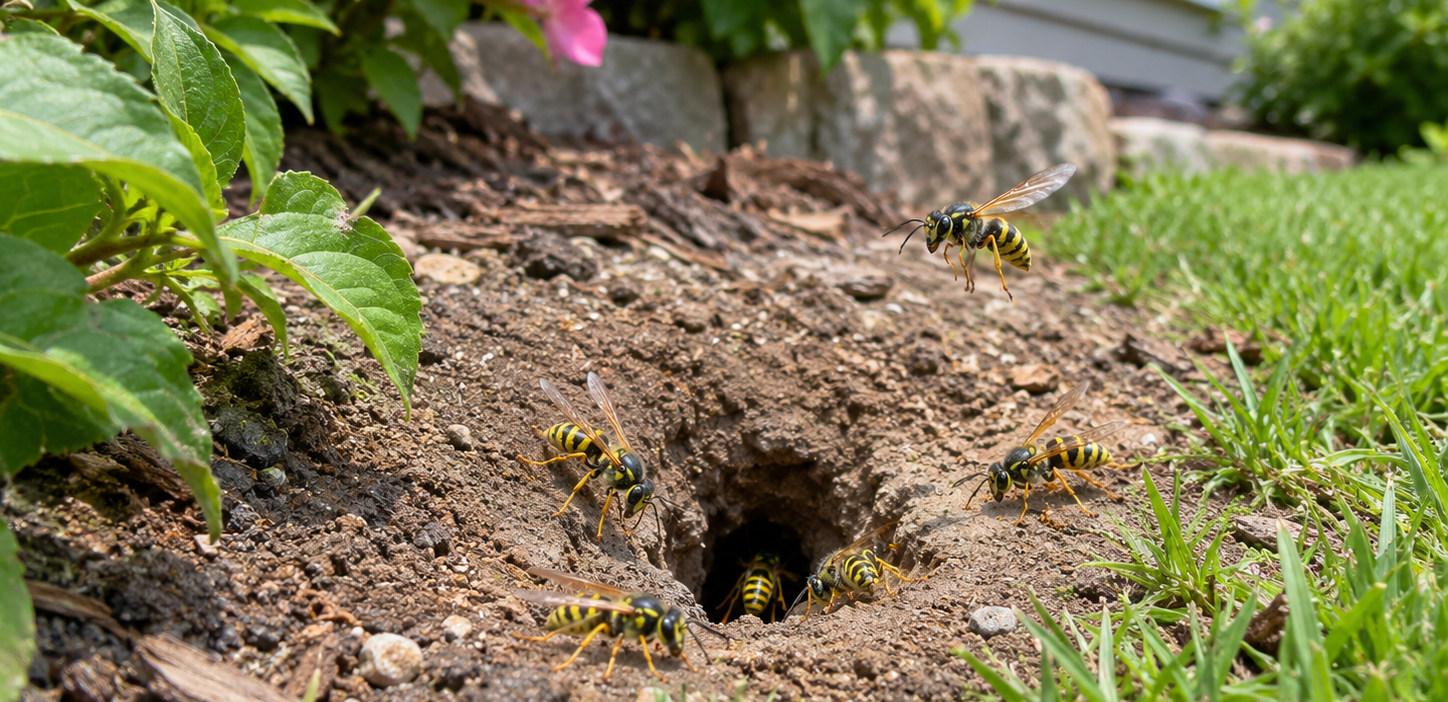
Yellow jackets commonly use underground spaces, including abandoned animal burrows and existing openings in the soil. A small hole in a lawn or garden bed may serve as an entrance to a much larger colony.
Repeated wasp movement around one ground opening can indicate a possible nest. These locations are particularly easy to disturb accidentally while mowing, gardening, or carrying out outdoor maintenance. Never dig into a suspected nest or pour liquids into the opening. Underground colonies can become defensive when disturbed.
Different Types of Wasp Nests and How to Recognize Them
After identifying a possible nesting location, you may wonder what kind of nest you are looking at. Wasps do not all build the same structures, so recognizing a few common differences can help explain their activity.
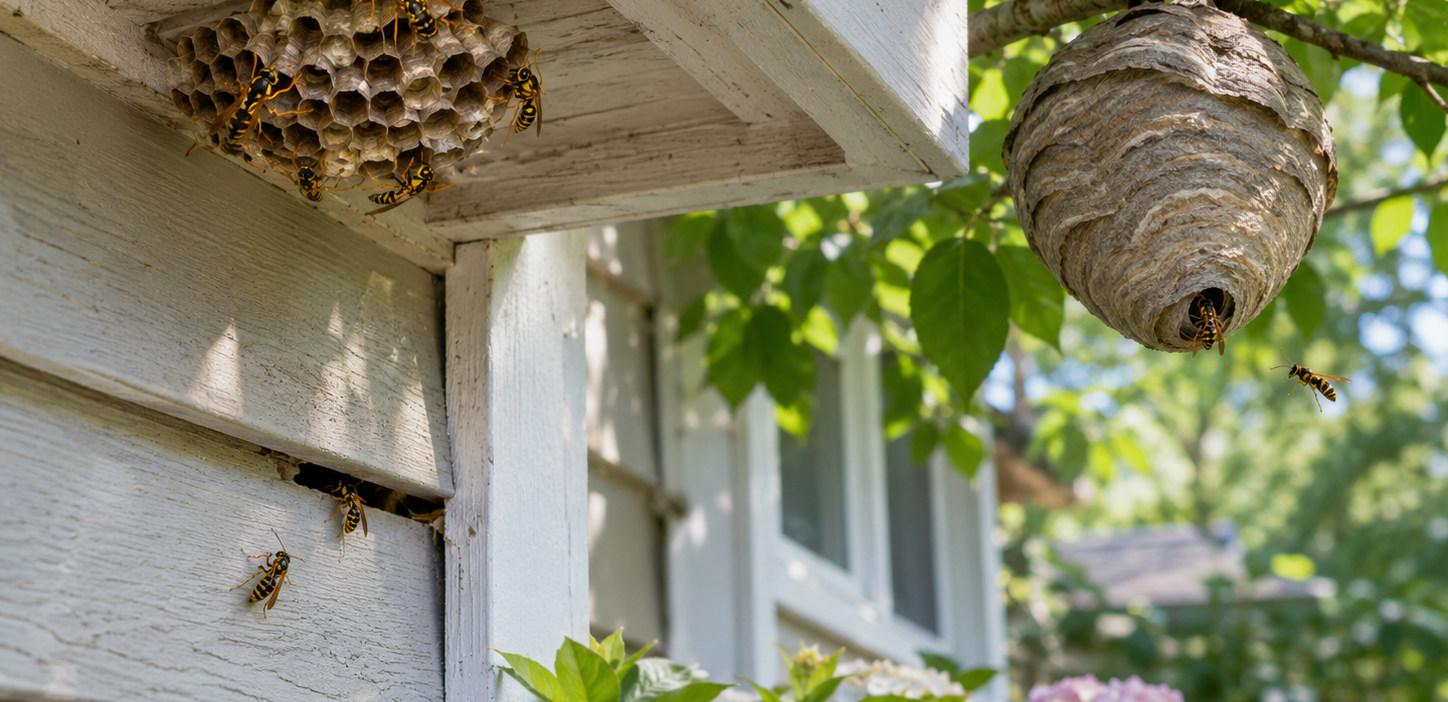
Paper wasp nests usually have an open, umbrella-like appearance with visible hexagonal cells. They are made from plant fibres mixed with saliva and are commonly attached beneath roof overhangs, porch ceilings, railings, and other sheltered surfaces. Because the cells are exposed, these nests may be easier to notice than colonies hidden inside walls or underground.
Yellow jacket nests generally have an enclosed, paper-like outer covering. Depending on the species, they may be built underground or inside protected spaces such as wall cavities and structural gaps. This is why homeowners may notice yellow jackets entering a small opening without ever seeing the nest itself.
Despite their common name, bald-faced hornets are actually a type of yellow jacket rather than true hornets. They build large, enclosed paper nests that are commonly found hanging from trees, shrubs, or building structures. As the colony grows, the nest may become more noticeable. However, identifying a species from a distance can be difficult, and not every large hanging nest belongs to the same type of wasp.
Why Are Wasps Suddenly Appearing Around Your House?
You may have checked your roof, deck, and garden but still wonder why wasps have started visiting your property. The answer may involve a combination of food sources, nesting opportunities, and seasonal activity.
Outdoor garbage bins, uncovered food, sugary drinks, and fallen fruit can attract wasps looking for food. Gardens and landscaped areas may also attract insects that some wasps feed on. Your property may offer suitable nesting spaces as well. Roof overhangs, wall openings, sheds, and undisturbed areas beneath decks can provide shelter for different species.
Seasonal changes also play an important role in Ontario. In spring, overwintered queens begin establishing new colonies. During summer, colonies grow and worker activity increases. By late summer and early fall, wasps may become more noticeable around food and outdoor gathering areas. As colder weather arrives, most social wasp colonies die off, while newly produced queens seek sheltered places to overwinter. The exact timing depends on the species and local weather conditions.
Are Wasps Around Your House Dangerous?
A wasp flying across your yard may not seem like a serious concern. The situation changes when you discover an active nest near a doorway, deck, garden, or another frequently used area.
Wasps can sting when they feel threatened, particularly when someone approaches or disturbs their colony. For most people, a sting causes temporary pain, swelling, and irritation. However, some individuals can experience severe allergic reactions that require immediate medical attention.
Yellow jackets and other social wasps may defend their nests when they perceive a threat. This makes concealed nests especially concerning because someone may accidentally disturb a colony while gardening, repairing a roof, or working around a deck.
Keep children and pets away from suspected nesting areas. If someone experiences difficulty breathing, swelling of the throat or tongue, dizziness, or other signs of a severe allergic reaction after a sting, seek emergency medical assistance immediately.
What Should You Do If You Find a Wasp Nest?
Finding a possible nest can make you want to remove it immediately, especially if wasps are gathering around an entrance or outdoor living area. However, approaching an active colony without knowing its location or species can make the situation more dangerous.
The safest first step is to keep your distance and observe the wasps from a safe location. Notice whether they repeatedly enter the same opening or gather around a particular part of the property.
Avoid touching or shaking the nest, blocking an active entrance, or attempting to treat it with household chemicals. Spraying water, using fire, or disturbing an underground opening can also provoke defensive behaviour.
If the nest is concealed inside a wall, roof, or another difficult-to-access space, locating and addressing the source may require professional assessment. Keeping people and pets away from the affected area is important until the situation has been evaluated.
How AM Pest Control Helps With Wasp and Hornet Problems
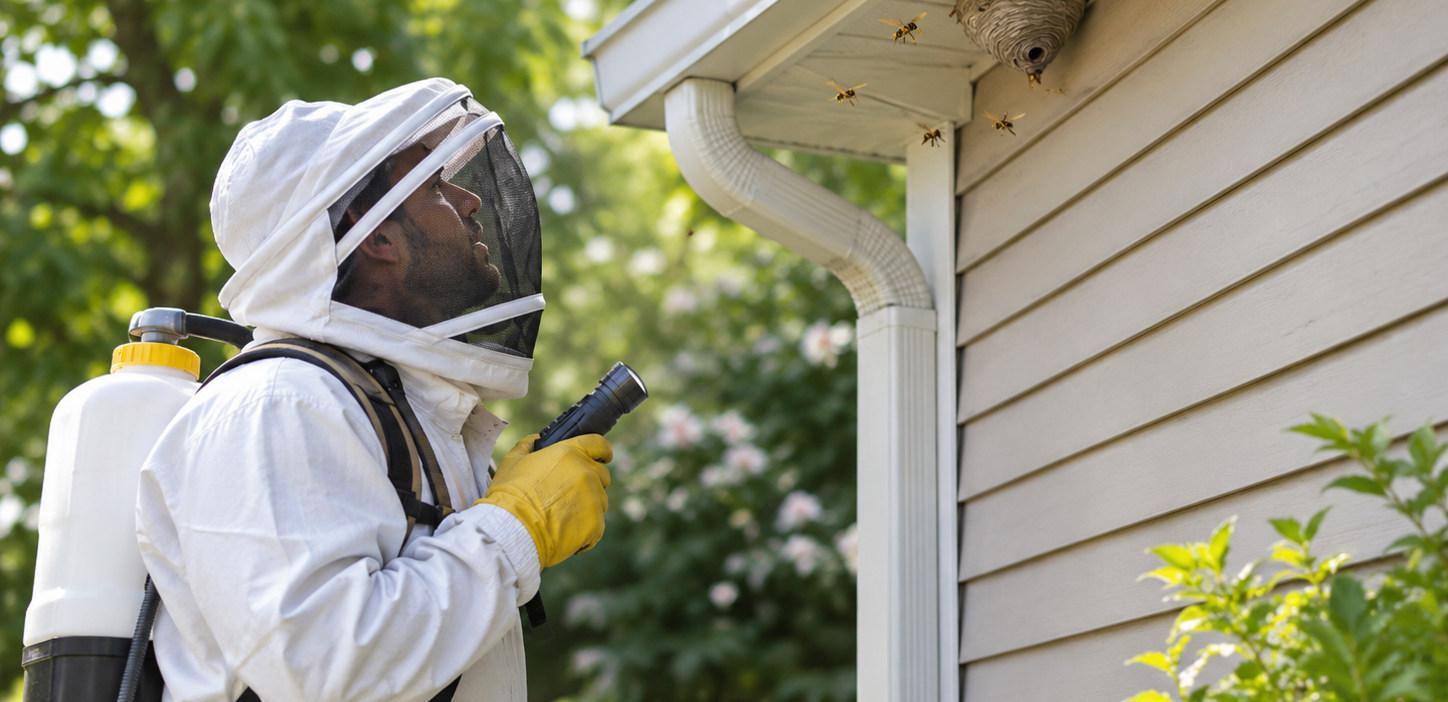
When repeated wasp activity becomes difficult to manage, professional pest control can help assess the problem and determine an appropriate response. AM Pest Control provides wasp and hornet control services for properties within its service areas. The approach depends on the type of pest, suspected nesting location, level of activity, and conditions around the property.
For example, a visible paper wasp nest beneath an overhang presents a different situation from yellow jackets entering a concealed wall cavity. Identifying the pest and understanding where the activity is coming from are important parts of assessing the problem.
Wasp activity can affect both residential and commercial properties. Homeowners may notice nests around roofs, decks, gardens, and exterior walls, while businesses may experience problems near entrances, outdoor seating areas, storage spaces, and customer-accessible locations.
If you suspect an active nest around your property, visit the AM Pest Control wasp and hornet removal page.
Wasp and Hornet Control in Vaughan and Surrounding Areas
Wasp and hornet activity can affect properties throughout Vaughan and nearby communities in York Region. Residential homes, gardens, decks, commercial buildings, and outdoor structures can all provide potential nesting locations.
If you are noticing repeated wasp activity or suspect a nest around your property, AM Pest Control can help you discuss the problem and available service options within its coverage area.
Frequently Asked Questions
How can I tell if wasps are nesting behind my siding?
If wasps repeatedly enter and leave the same gap in your siding, a concealed nest may be present. You may also notice wasps appearing indoors near the affected wall. Avoid sealing the opening while the colony may still be active.
What does a paper wasp nest look like?
A paper wasp nest usually looks like an open umbrella with visible hexagonal cells. It is commonly attached beneath roof overhangs, porch ceilings, railings, and other sheltered surfaces.
How do I identify a yellow jacket nest?
Yellow jacket nests are generally enclosed in a paper-like outer covering. They may be located underground, inside wall cavities, or in other sheltered spaces. Repeated wasp activity around a small opening can indicate a possible entrance.
Are wasps and hornets the same thing?
Hornets are a type of social wasp, but not all wasps are hornets. Different species have different physical characteristics, nesting habits, and defensive behaviours.
Can wasps build nests inside walls or roofs?
Yes. Some wasps can establish colonies inside wall cavities, roof spaces, and other enclosed areas. Small openings in exterior structures may provide access to these spaces.
Why do I keep finding wasps inside my house?
Repeated indoor sightings may indicate a nest in an attic, wall cavity, roof space, or another connected area. Wasps can also enter through open doors and windows, so seeing one indoors does not automatically confirm a nest inside the building.
Are wasps more active during certain months in Ontario?
Wasp activity generally increases from spring through summer and is often more noticeable in late summer and early fall. Weather conditions and the species involved can affect the timing.
Can a wasp nest return to the same location next year?
Most social wasp colonies do not reuse the previous year's nest. However, a new queen may establish a colony in the same general area if suitable nesting conditions remain.
Should I remove a wasp nest myself?
Removing an active nest can be dangerous, particularly when it is concealed inside a wall, located underground, or occupied by a defensive colony. Avoid disturbing it and consider professional pest control assistance.
Does AM Pest Control provide wasp and hornet removal?
AM Pest Control offers a dedicated Wasp and Hornet Control service. If you have noticed repeated wasp activity or suspect a nest around your property, contact the team to discuss the situation and available service options.
Can AM Pest Control help with wasp nests inside walls or roofs?
Concealed nests can be difficult to locate because the colony may be hidden behind siding or inside a roof or wall cavity. Contact AM Pest Control to discuss the signs you have noticed and whether an assessment may be appropriate.
Does AM Pest Control handle both residential and commercial wasp problems?
Wasp activity can affect houses, commercial buildings, outdoor seating areas, entrances, and other frequently used spaces. Contact AM Pest Control to discuss your property type and the service options available.
Which areas does AM Pest Control serve for wasp control?
AM Pest Control serves Vaughan and surrounding communities within its designated service area. Contact the team to confirm whether your property location is covered.
When should I contact a professional for a wasp nest?
Consider professional assistance when wasps repeatedly enter the same opening, a nest is located near a frequently used area, or the colony is concealed inside a wall, roof, or underground space. Avoid disturbing the nest while arranging an assessment.
How can I contact AM Pest Control about a wasp or hornet problem?
Visit the AM Pest Control wasp and hornet removal page to learn more about the service and discuss your wasp or hornet problem with the team.