
Published November 25, 2026
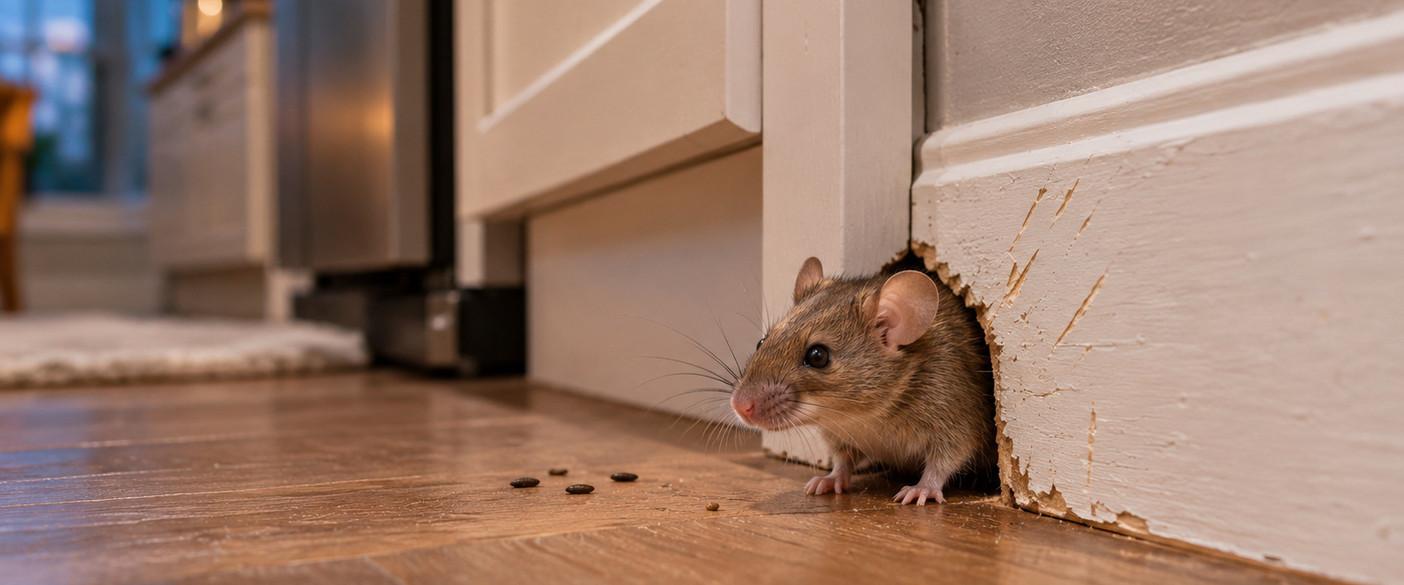
Hearing scratching noises coming from your walls at night can be an early warning sign of mice or rats inside your home. Rodents can move through wall cavities, ceilings, attics and other concealed spaces, often remaining unnoticed until their activity becomes more frequent.
Although occasional tapping or scratching does not always indicate a rodent problem, repeated noises accompanied by droppings, gnaw marks or unusual odours should not be ignored. Mice and rats can damage insulation, chew electrical wiring, contaminate surfaces and create nesting areas inside your property.
Identifying the source of the noise is the first step towards addressing the problem. Understanding where rodents are travelling, how they entered the building and whether other animals could be responsible helps determine the most appropriate treatment.
Telling Mice and Rats Apart
Mice and rats can produce similar noises and leave comparable signs of activity. However, their droppings, movement patterns and the extent of damage they cause can provide useful clues.
Mice generally produce light, quick scratching and scurrying noises. You may also hear faint squeaking or tapping, particularly at night when the house is quiet. Rats are usually larger, so their movement may produce heavier scratching, louder gnawing or deeper sounds inside walls and ceilings.
Mouse droppings are typically 3–6 mm long, dark and pointed at the ends. Rat droppings are generally larger, around 10–20 mm long, with thicker, more blunt or capsule-shaped ends.
Both mice and rats can leave gnaw marks on food packaging, baseboards, wooden surfaces and other materials. You may also find shredded paper, damaged insulation or nesting material in concealed areas. Greasy rub marks along walls and pipes can indicate frequently used rodent pathways. A musty or ammonia-like smell may also develop when rodent activity has been present for an extended period.
Although these signs can help narrow down the likely pest, droppings and noises alone cannot always confirm the species. A professional inspection can help identify whether mice or rats are responsible and locate the areas they are using.
The Right First Steps for Rodent Activity
When rodents are suspected inside walls, the priority is to control active activity without creating additional problems within the structure. Start by reducing available food sources, checking accessible areas and identifying signs of movement.
Food and water make properties more attractive to rodents. Keep pantry items and pet food in sealed containers, clean crumbs and spills promptly, and avoid leaving pet food out overnight. Remove unnecessary clutter around cupboards, storage areas and walls. Cardboard boxes, paper and other materials can provide potential nesting opportunities.
Traps can help control rodents when they are travelling through accessible areas. Snap traps or multiple-catch traps may be positioned along identified runways, such as near baseboards, behind appliances or close to accessible openings. Bait stations should only be used where appropriate and must be secured and handled according to product instructions.
Avoid placing loose rodent poison inside wall cavities. A poisoned rodent may die somewhere inaccessible, potentially creating a persistent odour and making removal difficult. Improper bait use can also create unnecessary risks for children, pets and non-target animals.
Rodents can enter properties through gaps around pipes, utility lines, vents, doors, foundations and other structural openings. Mice can squeeze through surprisingly small gaps, while rats generally require larger openings. However, sealing exterior entry points before addressing active rodent activity may trap animals inside walls or other enclosed spaces.
Treatment and exclusion should therefore be coordinated. A pest control professional can assess active travel routes, recommend suitable trapping and monitoring, and determine when entry points should be sealed.

When Wall Scratching Has Another Cause
Not every scratching or tapping noise means mice or rats are living inside your walls. Other animals and ordinary household sounds can produce similar noises.
Squirrels often move through roof spaces and wall openings, sometimes producing noticeable activity during the day. Raccoons can cause heavier movement, scratching and thumping noises in attics and roof spaces. Birds may become trapped around roof vents, soffits or other exterior openings. Plumbing pipes can produce tapping, clicking or rubbing sounds as water flows and pipes expand or contract with temperature changes.
Pay attention to when and where the noises occur. Repeated nighttime scratching accompanied by droppings or gnaw marks may indicate rodent activity. Daytime movement in an attic or heavier noises near the roof could suggest a different animal. Rather than assuming the cause, look for supporting evidence before deciding on a treatment approach.
Persistent Odours From Rodents Inside Walls
A strong, unpleasant smell coming from a wall, ceiling or enclosed space may indicate that a rodent has died inside the structure. As the animal decomposes, the odour can become more noticeable over several days. It may seem strongest near a particular wall section, cupboard, ceiling area or attic space, although locating the exact source can be difficult.
Avoid cutting into drywall or opening ceiling sections without first determining where the animal is located. Unnecessary openings can cause additional property damage and expose you to contaminated nesting material or droppings.
A pest control professional can investigate the likely location and recommend the appropriate next step. It is also important to address any remaining rodent activity to reduce the possibility of another animal entering the same space.
Safe Handling of Rodent Droppings
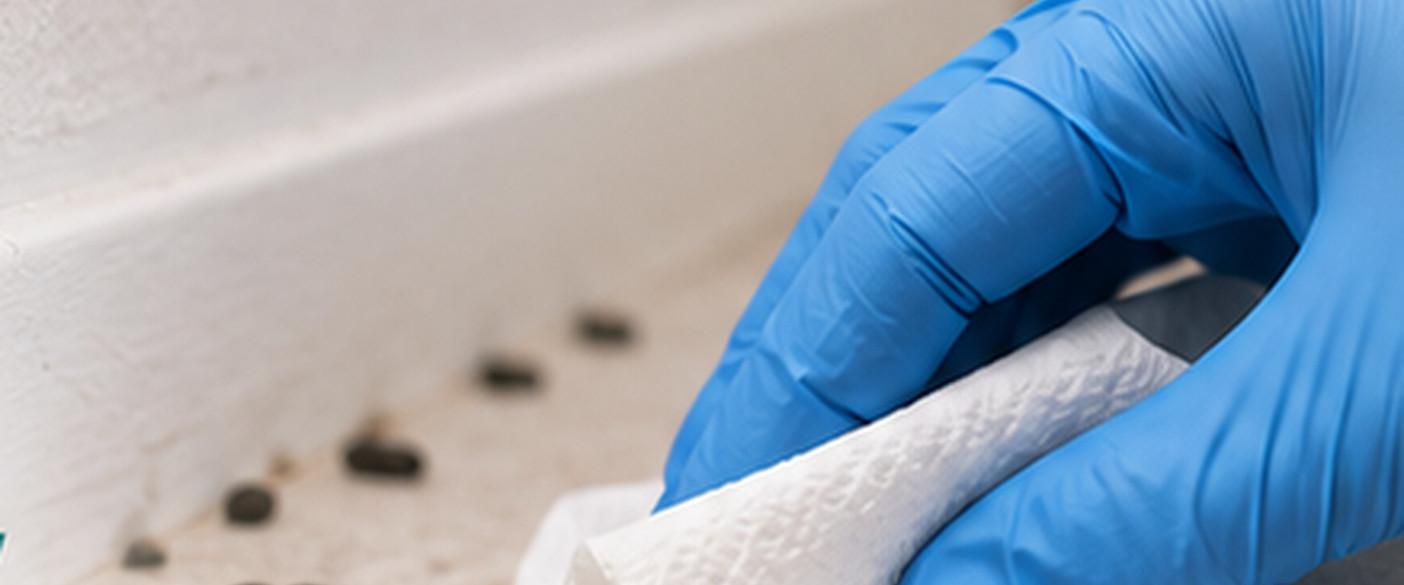
Rodent droppings and nesting material should be handled carefully because they may carry harmful microorganisms. Sweeping or vacuuming dry droppings can release contaminated particles into the air.
For small amounts of droppings in accessible areas: wear disposable gloves and follow applicable public health cleaning guidance; thoroughly wet the material with an appropriate disinfectant; allow the disinfectant to remain for the contact time specified on its label; wipe up the material using disposable paper towels; place the waste in a sealed bag and clean the surrounding surface.
Never handle droppings with bare hands or disturb large accumulations of contaminated nesting material. If extensive contamination is present inside an attic, crawl space or wall cavity, professional advice is the safer option. Large accumulations may require specialized cleaning procedures and protective equipment.
AM Pest Control's Approach to Rodent Removal
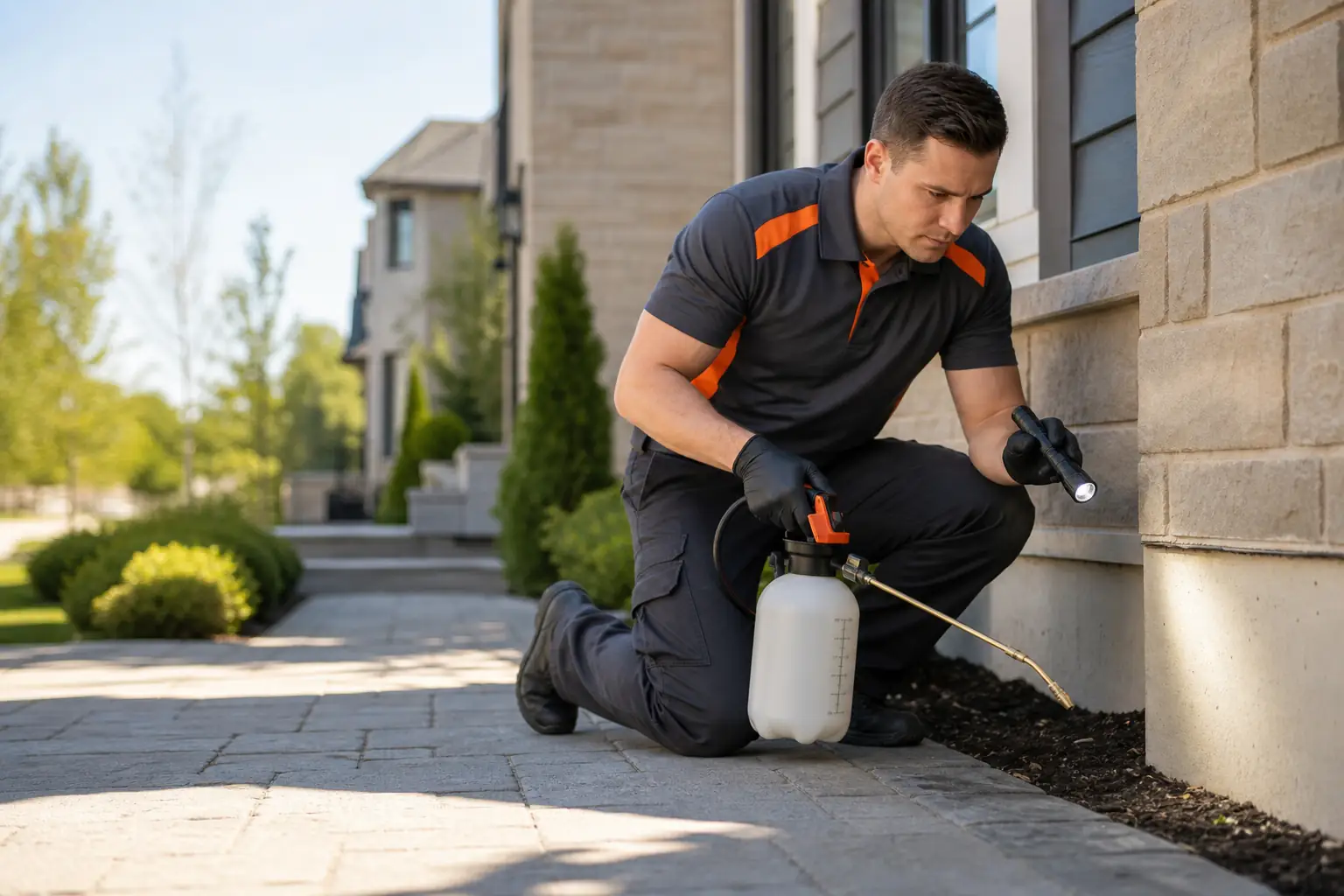
At AM Pest Control, rodent treatment starts with understanding the source and extent of the activity rather than simply placing traps and hoping the problem disappears. Our team inspects the property for signs such as droppings, gnaw marks, nesting material, structural openings and active rodent travel routes. This helps determine where mice or rats are moving and which areas require attention.
Based on the inspection findings, we recommend a targeted treatment plan that may include strategically positioned traps along identified travel routes, monitoring devices to assess ongoing activity, baiting where appropriate with properly secured bait stations, entry-point assessment for structural gaps, and sanitation recommendations that reduce conditions attracting rodents.
Once active rodent activity has been addressed, exclusion measures can help reduce the likelihood of further entry. Follow-up protocols are discussed as part of the service, with applicable guarantee terms confirmed before work begins.
AM Pest Control is licensed and insured and provides residential and commercial rodent control. Whether the issue involves a house, condo, restaurant, warehouse or managed property, treatment recommendations are based on the building and inspection findings.
If you are hearing persistent scratching or suspect rodents inside your walls, contact AM Pest Control at 416-577-4460 or request a free, no-obligation estimate. Our team can help assess the situation and explain the next steps. For more information about the available service, visit the AM Pest Control rodent control page.

Preventing Future Rodent Activity in Your Property
Preventing rodents starts with making your property less accessible and less attractive to them. Regular maintenance, good sanitation and attention to structural gaps can help reduce the risk of future infestations.
Check the exterior of your property for gaps, damaged screens and openings around pipes, utility lines, foundations, doors and vents. Pay particular attention to areas where different building materials meet, as small structural gaps can provide opportunities for rodents to enter.
Keep garbage securely covered, store birdseed and pet food in sealed containers, and clean up food spills promptly. Remove unnecessary clutter from basements, garages, cupboards and storage areas to reduce potential nesting locations.
Keep vegetation and stored materials from creating sheltered routes close to the building. Where practical, raise woodpiles off the ground and position them away from exterior walls. Regularly inspect sheds, garages and other outdoor storage areas for signs of rodent activity.
In Vaughan and across the GTA, rodent activity can become more noticeable during fall and winter as outdoor temperatures drop. Mice and rats may seek warmer, sheltered spaces with access to food and water. Seasonal property inspections can help identify potential entry points before rodent activity becomes established indoors.
Rodent Control Across Vaughan and the GTA
AM Pest Control provides residential and commercial rodent control throughout Vaughan and surrounding communities. Service coverage includes York Region communities such as Vaughan, Richmond Hill, Aurora, Newmarket, Markham, King City, Stouffville and East Gwillimbury; Toronto, Etobicoke, Scarborough and North York; Peel and Halton communities including Mississauga, Brampton, Bolton, Oakville, Burlington, Milton and Hamilton; and other areas such as Ajax, Pickering, Barrie and Innisfil.
Same-day emergency appointments are available across the GTA, subject to scheduling and location. Whether you are dealing with scratching noises in your walls, visible droppings or signs of a larger infestation, AM Pest Control can help assess the situation and recommend an appropriate treatment plan.
Contact our team at 416-577-4460 or request a free, no-obligation estimate to discuss your rodent control needs.
Frequently Asked Questions
How do I know if mice or rats are living inside my walls?
Scratching, scurrying or gnawing sounds, particularly at night, may indicate rodent activity inside walls. Other warning signs include droppings near baseboards, gnaw marks, damaged wiring and unusual odours. A professional inspection can help identify the pest and locate the areas they are using.
What do mice and rats sound like inside walls?
Mice and rats can produce scratching, squeaking, scurrying and gnawing sounds inside wall cavities and ceilings. Mice often create lighter, quicker noises, while rats may produce heavier scratching and movement sounds. These noises can become more noticeable at night when the surrounding environment is quieter.
How do mice get inside walls?
Mice can enter buildings through small gaps around pipes, utility lines, foundations, doors, vents and other structural openings. Once inside, they can move through wall cavities and connected spaces to find shelter, food and nesting areas.
Can mice and rats damage electrical wiring inside walls?
Yes. Rodents can chew electrical wiring, insulation, wood and other building materials. Damaged wiring may increase the risk of electrical faults and fires, making suspected rodent activity inside walls important to investigate.
How do you get rid of mice inside walls without opening them?
The approach depends on the infestation and building structure. Professional pest control technicians can inspect accessible areas, identify rodent travel paths, use strategically positioned traps and monitoring devices, and address exterior entry points. Simply placing traps or poison without identifying how rodents enter may not resolve the underlying problem.
Can mice leave walls on their own?
Mice may move between wall cavities, ceilings and other areas while searching for food and shelter, but their presence does not necessarily resolve on its own. If entry points and conditions attracting rodents remain, activity can continue or return.
How can I tell whether I have mice or rats in my walls?
The size of droppings, the extent of gnaw marks and the sounds of movement can provide useful clues. Mice generally leave smaller, pointed droppings, while rats produce larger, thicker droppings. Rats may also create heavier scratching and movement noises. A professional inspection can help confirm the likely species.
Can mice and rats enter ceilings and attics from inside walls?
Yes. Rodents can move through connected structural spaces, including wall cavities, ceilings and attic areas. Scratching noises in multiple parts of a property may indicate that rodents are using these spaces to travel or nest.
Should I use traps or call a professional rodent exterminator?
Traps may help control limited rodent activity in accessible areas. However, recurring infestations or rodents inside inaccessible walls can be more difficult to address. A professional rodent exterminator can inspect the property, identify entry points, recommend targeted treatment and help reduce the likelihood of further access.
How does AM Pest Control handle mice and rats inside walls?
AM Pest Control begins with an inspection to identify rodent activity, entry points and travel routes. Depending on the findings, the team may recommend strategically placed traps, monitoring devices and baiting where appropriate. Entry-point assessments and sanitation recommendations also help reduce the likelihood of future activity.
Does AM Pest Control provide residential and commercial rodent control?
Yes. AM Pest Control provides pest management for residential and commercial properties, including houses, condos, businesses, restaurants, warehouses and other commercial spaces. Treatment recommendations are based on the property, infestation and inspection findings.
Does AM Pest Control offer same-day rodent control in Vaughan and York Region?
AM Pest Control offers same-day emergency pest control appointments across the Greater Toronto Area for urgent infestations, including rodents. Availability depends on scheduling and location. Contact the team directly to confirm the earliest available appointment.
Are AM Pest Control's rodent treatments safe for children and pets?
AM Pest Control prioritizes family and pet safety and states that it uses Health Canada-approved, low-toxicity pest control products. Treatment precautions and any required re-entry instructions should be followed as explained by the technician.
Does AM Pest Control guarantee its rodent control services?
AM Pest Control offers a satisfaction guarantee and follow-up protocols to address pest activity. Specific treatment, guarantee and follow-up terms depend on the property and infestation and are confirmed before work begins.
How can I book a rodent inspection with AM Pest Control in Vaughan?
You can contact AM Pest Control at 416-577-4460 or request a free, no-obligation estimate through the website. Share your location and details about the rodent activity so the team can review your concerns, arrange an inspection and explain the recommended treatment and pricing.